Caney Fork River Fishing Regulations
Total daily creel of all trout (Rainbow, Brown, Brook and Cutthroat) in combination is five (5) fish.
The creel contents must contain no more than 5 trout (a combination of rainbow, brown, cutthroat and brook trout). You must abide by the specific protected length regulations for each species.
Species-Specific Regulations
- Brown Trout: 1 per day, 24″ minimum length limit. Only 1 fish over 24″ may be harvested in a creel. All fish under 24″ must be released.
- Rainbow Trout: 14″-20″ protected length range. Can harvest up to five (5) fish under the protected length range per day. Only 1 fish over 20″ may be harvested.
- Brook Trout: 14″-20″ protected length range. Can harvest up to five (5) fish under the protected length range per day. Only 1 fish over 20″ may be harvested.
- Cutthroat Trout: 14″-20″ protected length range. Can harvest up to five (5) fish under the protected length range per day. Only 1 fish over 20″ may be harvested.
- LET THE BIG FISH GO! The Caney Fork is one of the only places in Middle Tennessee that provides an opportunity to catch trophy holdover trout. If you hook into one of these beasts, snap a quick photo and let it go so it can grow. Catch and release helps ensure a healthy population of large trout.
To fish on the Caney Fork River, one must have a Tennessee fishing license and a trout stamp. Chick the following button to get a license & a trout stamp online!
Please routinely check the following website to ensure current regulations across the state of Tennessee.
Caney Fork Trout Species Identification
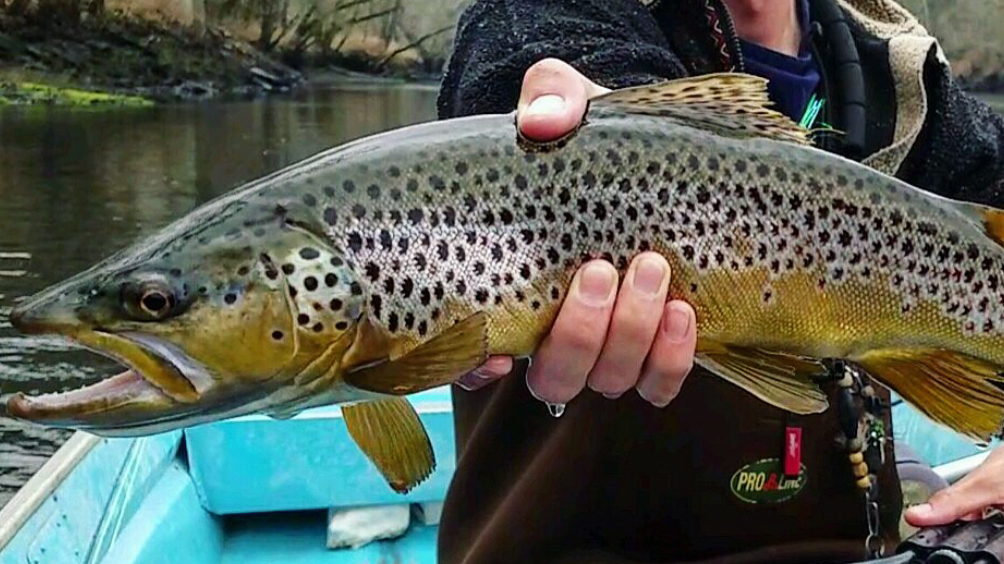
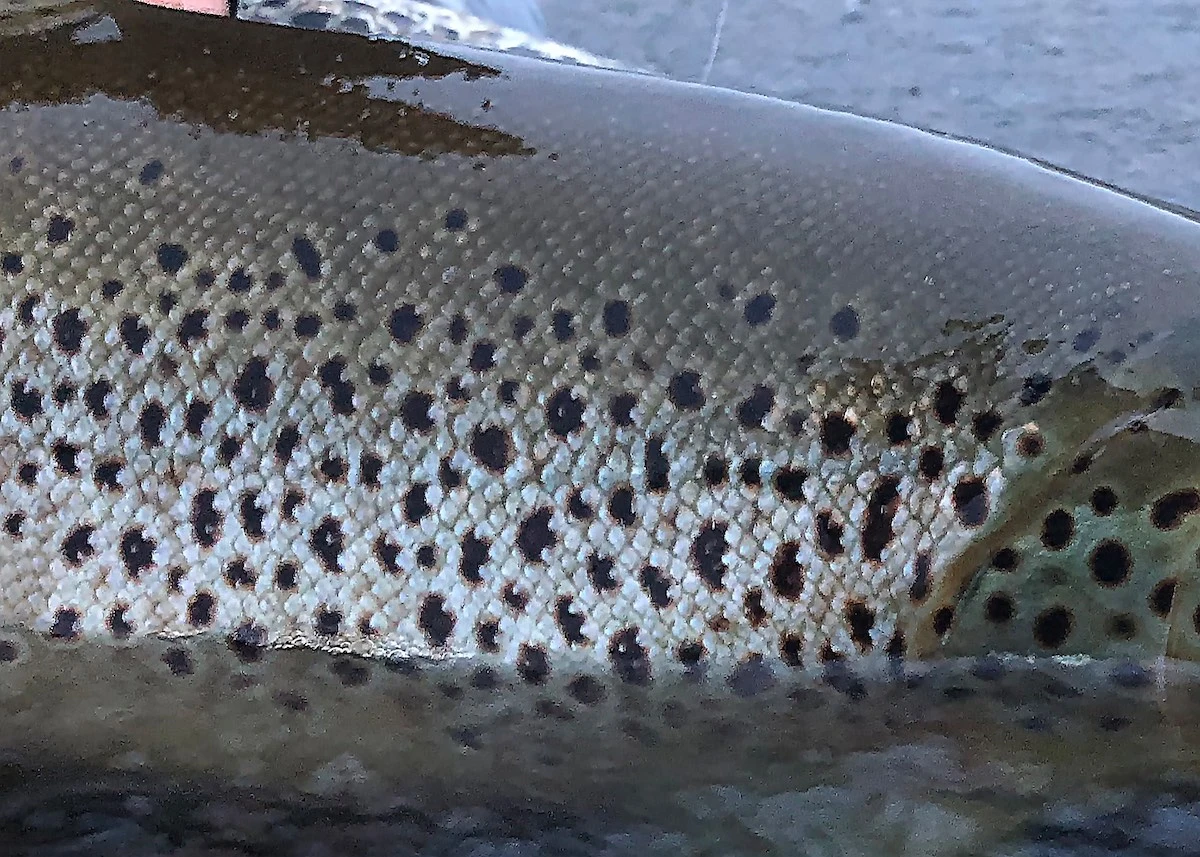
Brown Trout
Salmo Trutta
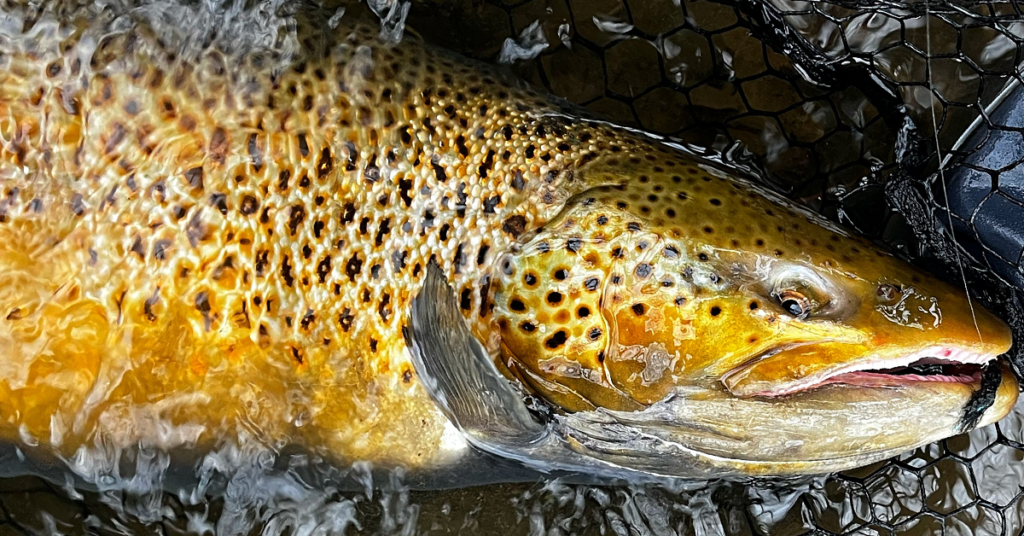
Brown trout are typically darker in color and have black spots on their brown/golden body.
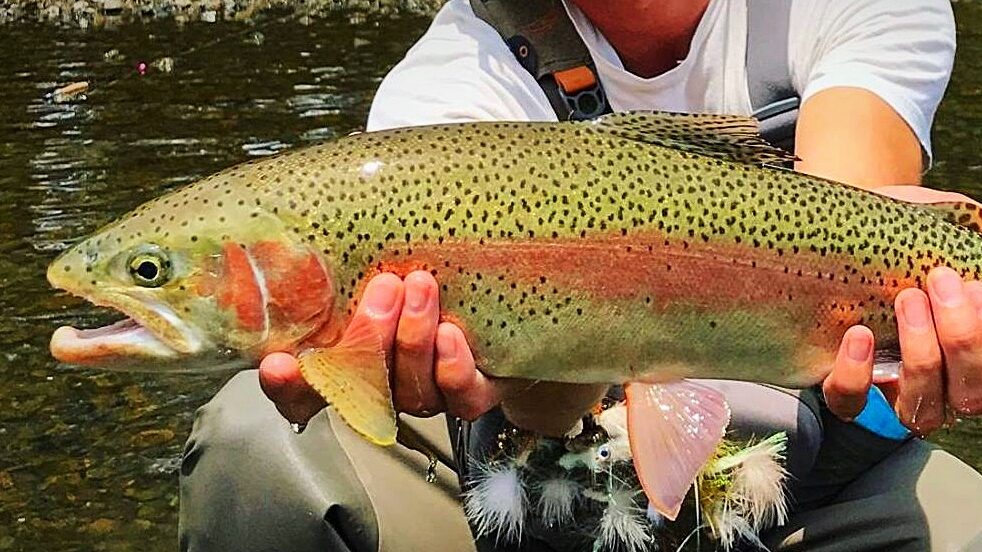
Rainbow Trout
Oncorhynchus Mykiss
Rainbow trout are lighter in color and have a very visible red/pink stripe down their sides.
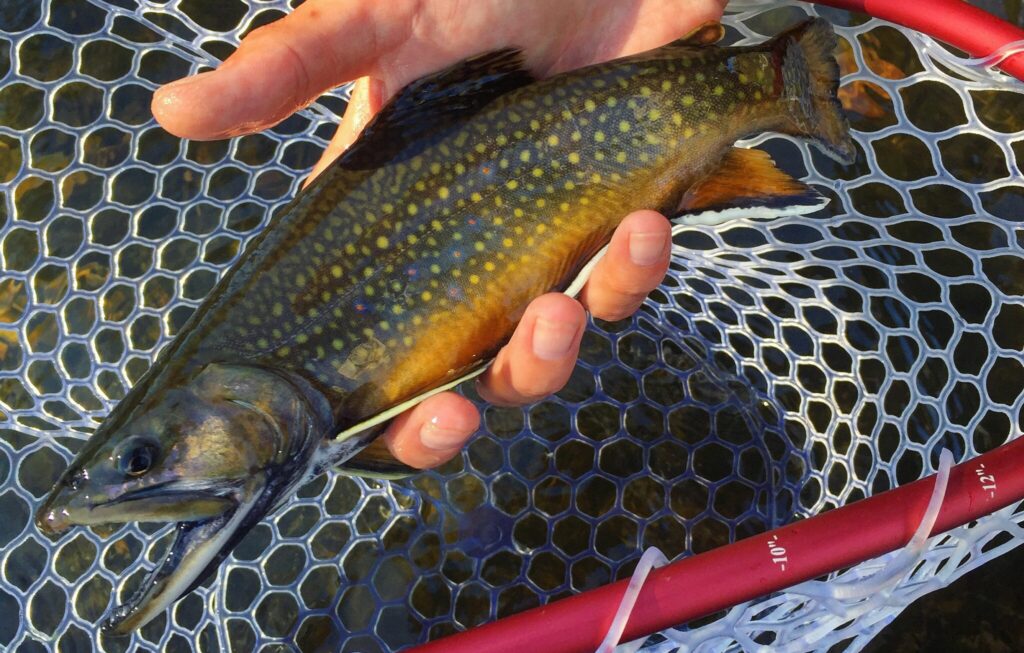
Brook Trout
Salvelinus Fontinalis
Brook trout are actually a species of char, not a trout! Brookies range from silver to dark in color and can be identified by orange, white-tipped fins.
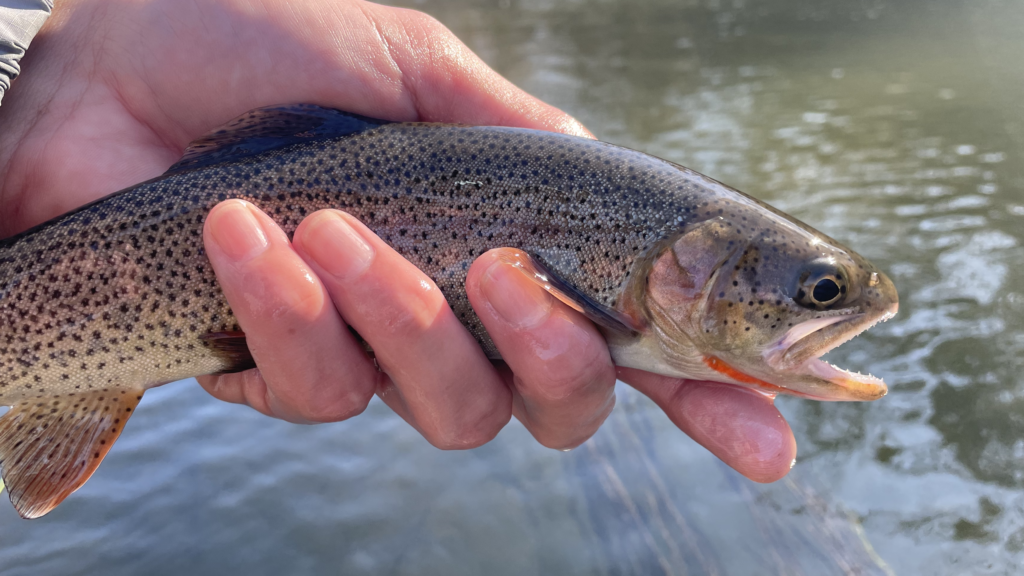
Cutthroat Trout
Oncorhynchus clarkii
Cutthroat trout are easily told apart from rainbow trout by a vivid orange line under their jaw.
About the Caney Fork River
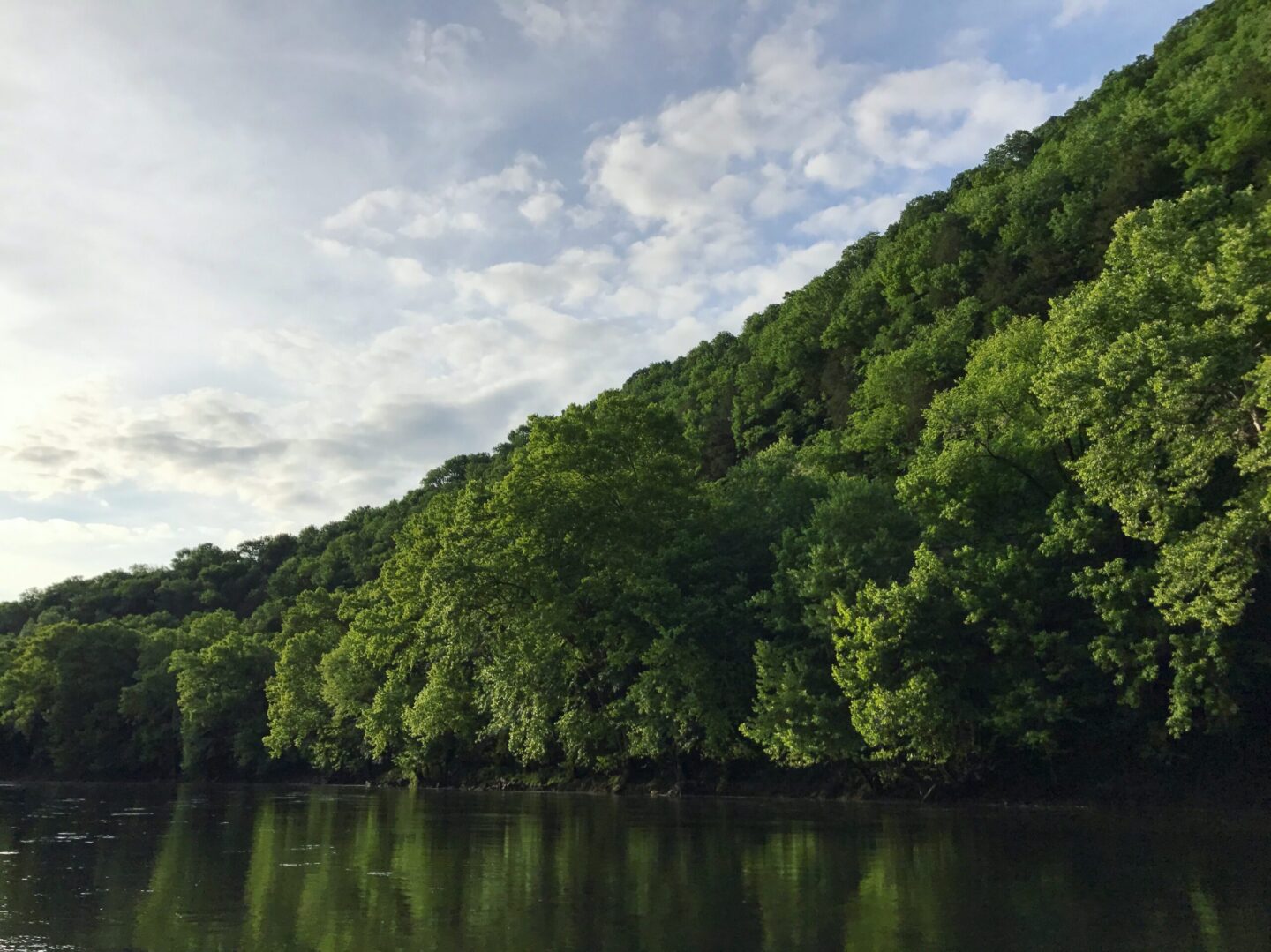
The Caney Fork is a 140-mile tributary to the mighty Cumberland River. The Caney starts as a small stream near Crossville, Tennessee. Two dams impound the river before it meets up with the Cumberland: Center Hill Dam and Great Falls Dam. The Caney Fork contains warm water species until it gets impounded by Center Hill Dam. The Tennessee Wildlife Resource Agency stocks trout into the stretch below Center Hill Dam and enforces the trout regulations below Center Hill.
Great Falls Dam and Center Hill Dam are both hydroelectric dams that release water through turbines to generate power. The water level and water speed directly depends on how many turbines are running. You need to use extreme caution when recreating below both of these dams, as water levels can rise dramatically in a matter of minutes. It is important to know when the TVA plans on releasing water through these dams.
In order to be safe, you can check the TVA’s website for the latest information. The TVA typically announces the next day’s generation schedule by 4pm of day prior. For example, to find out Saturday’s generation schedule, you will need to check the website around 4pm . TVA also has a mobile application for these purposes but it tends to malfunction. The website is more reliable.
Caney Fork Flies
The Caney Fork requires a specific approach towards matching the hatch. We have spent years fishing this river and can get you set up with the flies you need through a custom order.